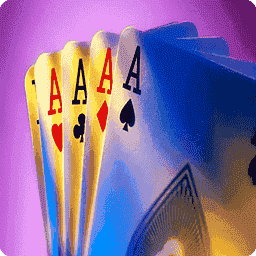
King of Swords
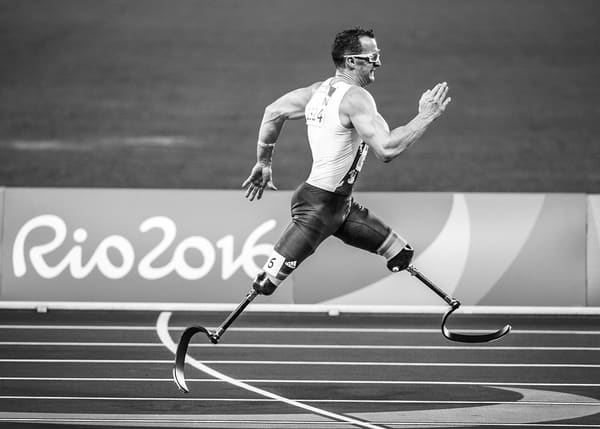
Figure 3.13.1 King of Swords - conductor of the Force of will, action, thought, and information. A person who overcame a limitation and turned a weakness into an advantage; "a King who wrote his own laws." Downloaded from pixabay.com
King of Swords
Level of persuasion - "Masha."
A man receives messages from a new user:
-- Hi.
-- Hi. Who are you?
-- I am Masha. Your future wife.
-- Hmm... By love or by force?
-- If you want, by love. If you do not, by force. You are completely free to choose!
In Kabbalah, the King is law, lawgiver, and conductor of Force. Swords are will, action, thought, and information. Therefore, the King of Swords is the conductor of the Force of will, action, thought, and information.
In the material world he can symbolize formative ideas, thoughts, information, institutions, or even individual people. Foundational philosophers, ideologues, and politicians who influenced world history can be vivid Kings of Swords.

Figure 3.13.2 A founder of an idea that became mass-recognized; someone to whom descendants erect monuments, such as Bruce Lee in Hong Kong. Downloaded from pixabay.com

Figure 3.13.3 An authority for someone: a commander or a coach whose word is Law on the field. Downloaded from pixabay.com
The distinguishing feature of the King of Swords is the presence of a flock or subjects: those who obey his Ideas and Laws and pay tribute to him in one way or another, even if he rules only himself.
The reversed King of Swords is a fake or false King: a bearer of the crown who does not rule his kingdom and is not worthy of it in the eyes of the flock.
One who has subordinated thought, or the law of thought:
- A soldier, police officer, film producer, or magazine editor.
- Subordinating someone's thoughts.
- Taming your own thoughts, for example not smoking for a day.