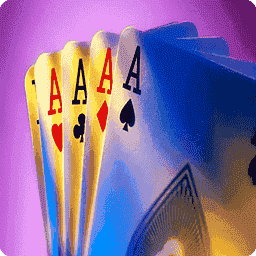
Ten of Swords
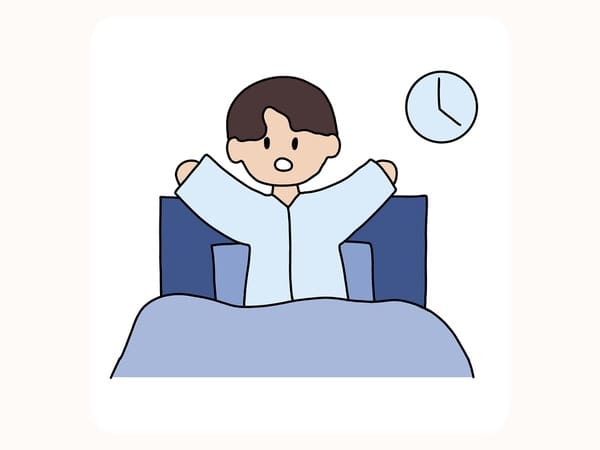
Figure 3.10.1 Ten of Swords - waking up as transformation and transition of will, action, and thought into a new state. Downloaded from pixabay.com
Ten of Swords
In Kabbalah, the Ten is change, transformation, and transition to a new state. Swords are will, action, thought, and information.
Therefore, the Ten of Swords is transformation and transition of will, action, and thought into a new state. For example, it corresponds to moving from a sleeping, inactive state into an active one.

Figure 3.10.2 A contract or deal as the result of effort and overcoming disagreements. Downloaded from pixabay.com

Figure 3.10.3 Prey: the hunter is fed and satisfied, and confidence in tomorrow appears. Downloaded from pixabay.com
The distinguishing feature of the Ten of Swords is transition to a new state through willful effort, action, and thought. It is receiving a result or profit from one's efforts, often after overcoming difficulty, problems, or competition.
The reversed Ten of Swords is an attempt, effort, action, or thought that does not succeed.
Transformation or result of thoughts:
- A new idea or development.
- Helping invent something.
- Inventing something yourself.